Motivation: The inner compass that separates “campaigners” from winners
Have you ever sat down at a perfectly organized desk, with a sharpened pencil and a clear goal, and then... silence? Suddenly, washing dishes or watching a movie you already saw two days ago feels like the most important thing in the world.
We have all been there. That moment of blockage is not a lack of time or talent – it is a lack of energy to begin. You are missing the key element: Motivation.
Without motivation, we lack the energy even to start. It is easier to lie down, eat, and postpone things because the brain chooses the path of least resistance. But success does not come to those who wait for a “burst of inspiration.” Inspiration does not fall from the sky – you create it yourself.
The word motivation itself comes from the Latin word motus, which means movement. It is the momentum that pushes you forward, the emotion that colors your actions, and the reason why you do what you do.
In the world of careers, we divide motivation into two key branches:
Internal (Intrinsic): Your personal moral code, a hobby you love, the satisfaction you feel while solving a problem. It is a “love affair” with the process.
External (Extrinsic): Salary, bonuses, praise from a manager, or that famous stubborn drive when someone tells you that you cannot do something.
Although both are important, our mission at Saint Michael’s agency is to help you find that inner strength. When your job becomes your “hobby,” you are no longer just working – you are creating.
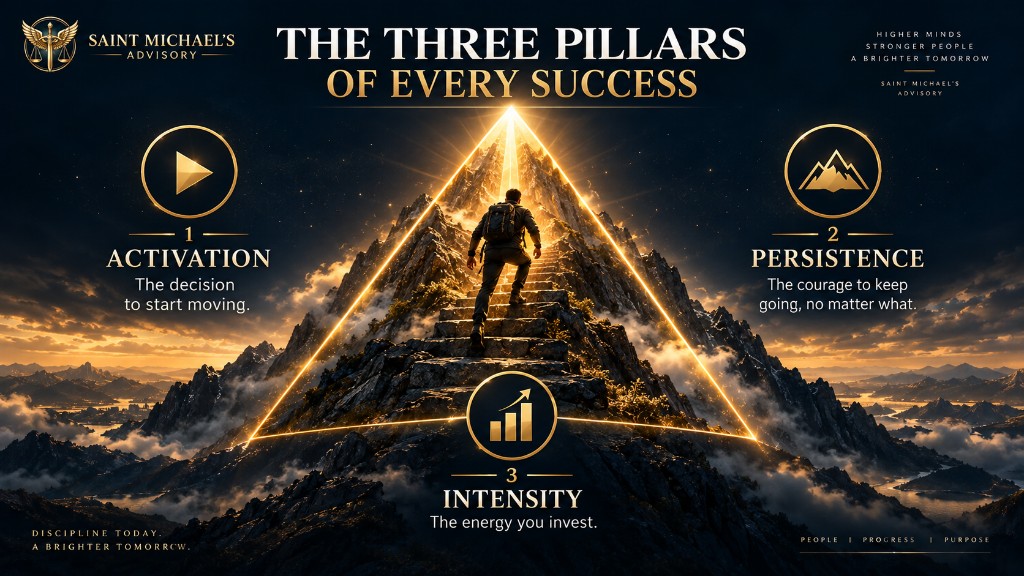
For your idea to become reality, three components must work together:
Activation: The decision to start moving (for example, sending your CV today, not on Monday).
Persistence: Continuous effort despite obstacles (climbing a mountain even when your legs feel heavy).
Intensity: The amount of energy you invest. Are you just “getting it done,” or are you giving your maximum?
As employers, we must understand that fear of failure and excessive stress extinguish motivation. A manager is not there to be a taskmaster, but a water carrier who recognizes the uniqueness of each employee.
A true leader knows that material reward (salary) satisfies the form, but non-material reward (recognition, appreciation, progress) feeds the soul and creates loyalty.
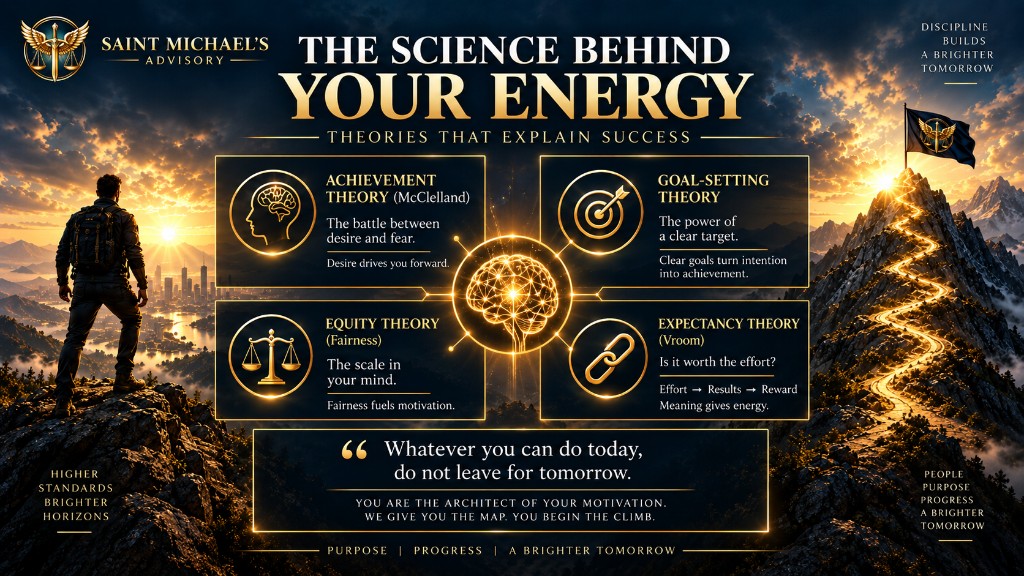
To understand why some people charge at obstacles while others look for escape, we use scientific models from organizational behavior:
Inside you, the desire for success and the fear of failure are constantly fighting.
Example (Learning): Imagine a student applying for the most difficult elective subject. If their inner desire for knowledge is stronger than the fear of getting a poor grade, they will embrace the challenge. If fear wins, they will choose the easiest subject just to pass with minimal resistance.
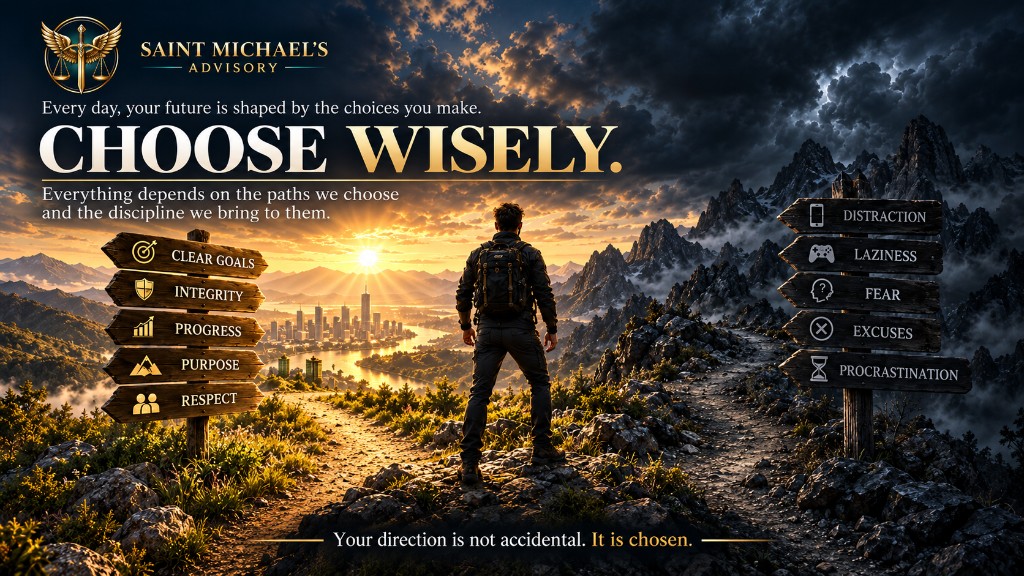
Your sword: Do not choose the easier path because it is safe. Choose the harder path because it sharpens you.
We work far better when we have a clear target.
Employees and students perform much better when they have a clear and measurable goal in front of them. Vague goals like “I will try harder” do not get the job done.
Example (Gym): If you go to the gym thinking “I will work out a little,” you will probably give up as soon as you break a sweat. But if you have a goal like “Today I am doing 3 sets of 10 reps with this weight,” your brain focuses on the number. Every repetition becomes a victory.
Your scale: Set a goal that is difficult, but achievable. A goal that is too low makes you sleepy, while an unrealistic one discourages you.
We constantly measure our effort against others.
This theory says that we constantly compare ourselves with others. If you feel that you are investing more effort but receiving less than someone who is taking shortcuts, your motivation will fall.
Example (Work): Imagine staying late at work and bringing innovative ideas, while your colleague who spends half the day on coffee breaks gets the same praise or bonus. That feeling of injustice creates a “Dead Sea” in your mind.
Saint Michael’s solution: We look for environments where your effort is valued the way it deserves to be.
Motivation is the result of believing that effort will lead to results, and that results will lead to a reward that matters to you.
Example: A young football player trains in the rain because he believes that effort will take him to the first team, and that place means everything to him.
If you do not see meaning in what you are doing, your energy will evaporate.
The quality of human life is reflected in movement. Life is like climbing a mountain. You have three options:
To climb (constant growth and self-improvement).
To remain in place (stagnation that slowly turns into decline).
To descend (losing your personal capacity).
At Saint Michael’s agency, we believe in people who are ready to be sharpened. The ones who understand that reaching the top of the mountain does not happen through shortcuts, but through integrity, work, and unwavering will.
“Whatever you can do today, do not leave for tomorrow.” Become the architect of your own motivation. We are here to give you the map, but you are the one who holds the sword and begins the climb.
Based on everything we covered, here are your first steps when you feel your energy drop:
Measure your performance: Be honest with yourself. Do not rely only on how you “feel” – measure what you have actually done.
Material vs. Non-material: Money matters for security, but praise and the feeling of progress are what will pull you out of bed on the days when you do not feel like working.
Be your own manager: If no one sees your effort, you should. Reward yourself for a completed task.
Do not forget: motivation, inspiration, and encouragement do not fall from the sky. You are the one who lights the fire. You are the one who holds the sword.

Whether you are building a team or looking for a new opportunity, we are here to listen and help.
Contact us